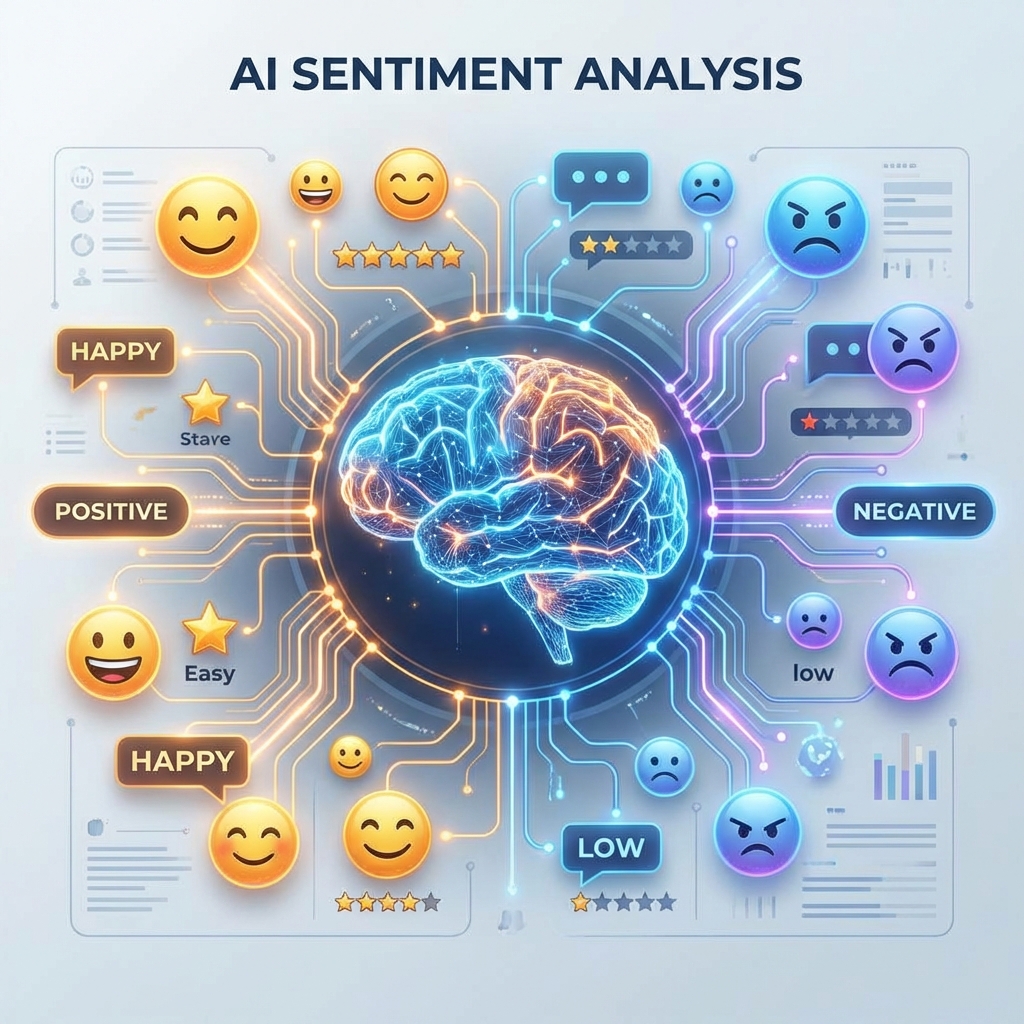
Reading every single user review is impossible at scale. Reading them and understanding the emotion behind them is even harder. Automated Sentiment Analysis is the superpower that turns a flood of noise into a stream of actionable signals.
The Problem with Manual Feedback
In a typical beta program, you might receive 500 emails, 200 TestFlight feedback screenshots, and 50 Discord messages in a week.
- Bias: You tend to focus on the longest emails or the angriest users.
- Lag: It takes days to categorize issues, by which time users have churned.
- Missed Signals: A polite request for a critical accessibility feature might get lost in a sea of "I hate this color" complaints.
How AI Sentiment Analysis Works
Modern NLP (Natural Language Processing) models don't just count keywords. They understand context, sarcasm, and urgency.
When a user says: "Great job on the update, now I can't even log in," a keyword search sees "Great job." An AI model sees Critical Failure (Urgency: High, Sentiment: Negative).
3 Ways to Utilize Sentiment Data
1. The "Heat" Map of Features
By correlating sentiment scores with specific feature keywords, you can build a heatmap of your app.
Login Flow
Sentiment: -0.8 (Hostile)
"Broken", "Loop", "Timeout"
Dark Mode
Sentiment: +0.9 (Ecstatic)
"Love it", "Sleek", "Finally"
2. Automated Triage & Routing
ClawdBot can route feedback instantly based on sentiment and topic:
- Bug Reports (Negative + Technical): → Jira Ticket (Engineering)
- Feature Requests (Neutral + "Wish"): → Productboard (Product Mgmt)
- Praise (Positive): → Slack #wins channel (Team Morale)
3. Churn Prediction
A sudden drop in average sentiment score is a leading indicator of churn. If your beta group's sentiment drops from 0.8 to 0.4 after a release, you don't need to wait for the uninstall metrics to know you messed up. You can revert or hotfix immediately.
Conclusion
Your beta testers are speaking to you. Are you listening to everything, or just the loudest voices? Sentiment analysis ensures every whisper is heard, categorized, and acted upon.
